The Fall of an Empire: The Battle of Manzikert
A single battle changed the course of history. In 1071, the Byzantine Emperor Romanos IV Diogenes faced a fate few had ever imagined: capture by a Muslim commander. What followed was not just a military defeat, but the beginning of a transformation that would reshape the entire region.
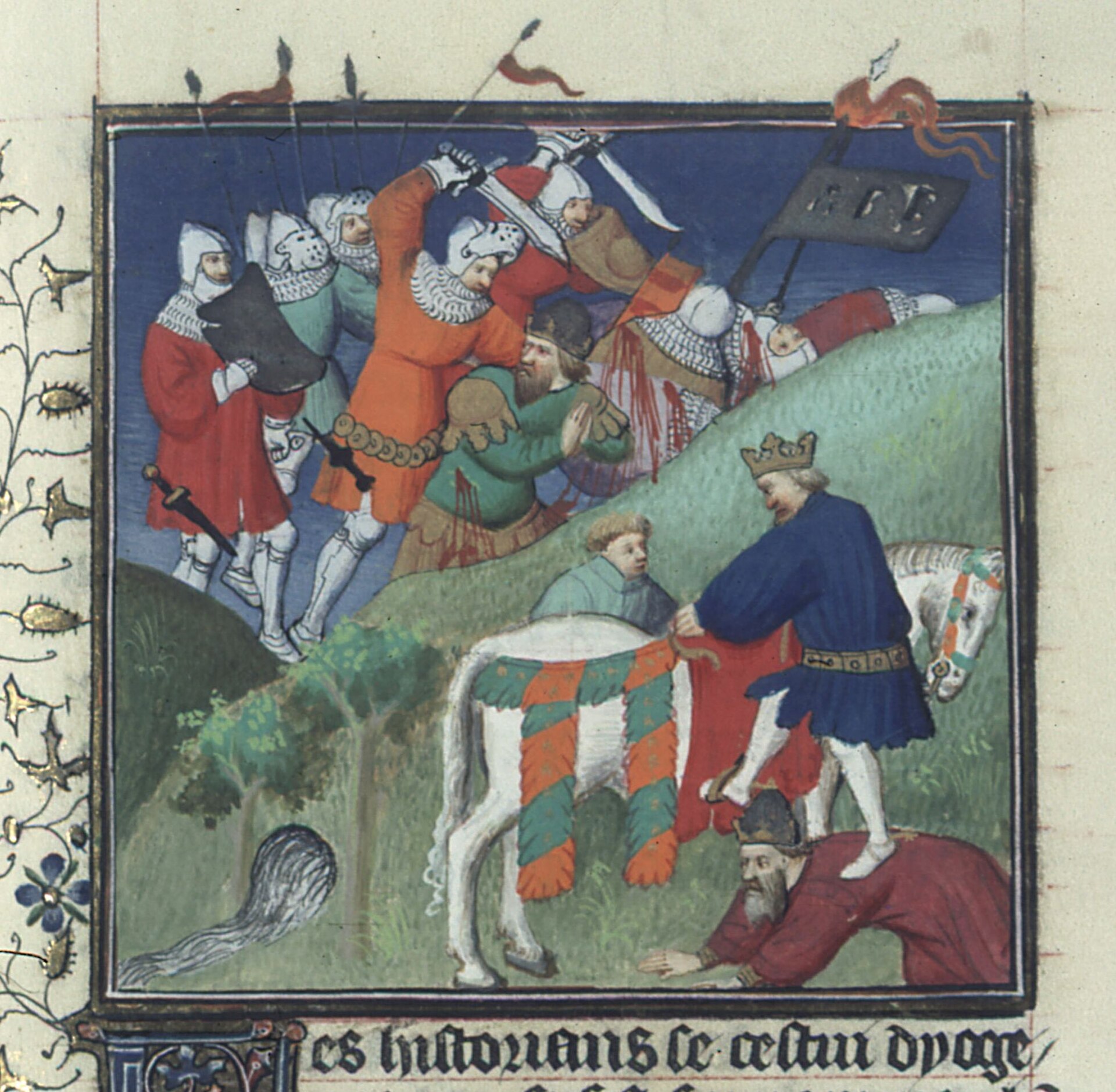
The Battle of Manzikert, fought on 26 August 1071, marked a turning point in the history of the Byzantine Empire. Near the modern-day town of Malazgirt in eastern Turkey, the Seljuk Turks dealt a devastating blow to the Byzantines, capturing Emperor Romanos IV Diogenes — the only time a Byzantine emperor became the prisoner of a Muslim commander. This defeat weakened Byzantine authority in Anatolia and Armenia and allowed for the gradual Turkification of Anatolia.
The Byzantine army, though large, was ill-prepared for the Seljuk onslaught. The professional soldiers from the eastern and western tagmata bore the brunt of the battle, while large numbers of mercenaries and Anatolian levies fled early. This lack of cohesion left the Byzantines vulnerable. The Seljuk victory opened the way for the mass movement of Turks into central Anatolia; many Turks travelling westward in the eleventh century saw Manzikert as an entrance to Asia Minor.
The background of the battle was shaped by years of decline in the Byzantine military. Under Constantine IX Monomachos and Constantine X Doukas, the empire's eastern defenses were weakened by the disbanding, around 1053, of what the historian John Skylitzes called the Iberian Army — a force of 50,000 men. The Seljuks, led by Alp Arslan, took advantage of this weakness, capturing the city of Ani after a 25-day siege in 1064.
Romanos IV Diogenes, who took power in 1068, sought to reverse this decline. After military reforms, he launched two major campaigns against the Seljuks, retook the city of Hierapolis, and chased the Turkoman armies raiding across Anatolia. However, he was unable to score a decisive victory. His reforms and campaigns were ambitious, but they lacked the breakthrough needed to secure long-term success.
The prelude to the battle was marked by logistical challenges and political tensions. Romanos' army, totalling around 40,000 men, was a mix of professional Byzantine troops, Frankish and Norman mercenaries, Turkic and Bulgarian units, and Georgian and Armenian contingents. The march across Asia Minor was long and difficult; the emperor's luxurious baggage train did not endear him to his troops, and the local population suffered plundering by his Frankish mercenaries.
More from History

The Morning Bingham Climbed to Machu Picchu
On a cold July morning in 1911, an American historian scrambled up a jungle-choked ridge above the Urubamba River — and by afternoon, a forgotten Inca citadel would belong to the world.

The Last Half-Hour of the Hindenburg
It was already half a day late, and the public had been told to keep away — but at seven o'clock that evening, the Hindenburg finally turned toward its mooring mast for the last time.

The Last Hours of Pompeii: August 24, 79 AD
By noon it was just another hot day beside the Bay of Naples. By evening, an entire mountain had rewritten the fate of thousands.

The Longest Walk: Mandela's Last Steps to Freedom
After 27 years behind bars, a 71-year-old man had to relearn how to walk out of a prison gate — into a waiting world of cameras, crowds, and a country holding its breath.

The Document Lincoln Signed on the First Day of 1863
On a single January morning, a president's pen would change the legal status of more than three million people — if the ink held and his hand did not shake.

The Day of the Dream: August 28, 1963
Two hundred and fifty thousand people converged on the National Mall that morning — by nightfall, one voice from the steps of the Lincoln Memorial would echo for generations.