The Last Evening in the Kremlin
On one December night, a flag came down over a red-brick fortress and a country of eleven time zones quietly stopped existing.
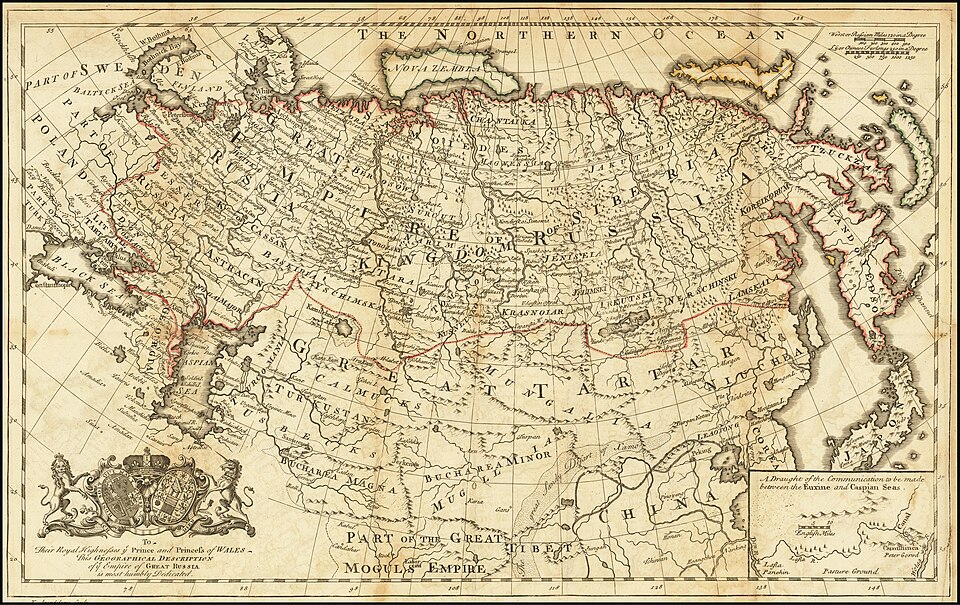
By the morning of December 25, 1991, the outcome was no longer in doubt, only the hour. Mikhail Gorbachev, who six years earlier had entered the Kremlin as the youngest man in the Politburo determined to save a stagnating empire, now sat in his office as its last president with almost nothing left to govern. Eleven days earlier Kazakhstan had become the final republic to declare independence, and days before that eight more republics had joined Russia, Belarus, and Ukraine in signing away the Union's existence. All that remained was the formality of one man surrendering what power he still held.
That power was not symbolic. Along with his resignation, Gorbachev transferred the nuclear launch codes to Russian president Boris Yeltsin, handing over control of the Soviet arsenal in a single, quiet exchange between two men who had spent the previous months as rivals. There was no ceremony built around it, no grand transfer witnessed by cheering crowds — just an outgoing leader passing the most consequential authority in the world to the man who would inherit his country's remains.
Gorbachev's resignation address came that day, marking the end of his effort to reform the Soviet system rather than dismantle it. He had begun in 1985 hoping that glasnost and perestroika could revive a faltering economy without destroying the state that housed it. Instead, those very policies had opened space for nationalist movements from Estonia to Lithuania, for open criticism of the Communist Party, and eventually for a failed August coup by hardliners who tried and failed to reverse his course. By December, reform had outrun the reformer.
As afternoon gave way to evening in Moscow, attention turned to the Kremlin's roof. As darkness settled, the Soviet flag — the hammer and sickle that had flown there since the founding of the Union in 1922 — was lowered for the final time. In its place rose the Russian tricolor, the flag of the republic that would be recognized as the Soviet Union's successor state, the largest and most populous of the fifteen that had made up the country.
There was no crowd storming gates, no explosion of violence to mark the moment. The transition happened inside offices and on a rooftop, witnessed by relatively few, even as it ended an entity that had spanned Eastern Europe to the Pacific and reshaped the twentieth century's politics. The machinery of that state — its federal government, its presidency, Gorbachev's authority itself — simply ceased to have anywhere left to operate.
More from History

The Morning Bingham Climbed to Machu Picchu
On a cold July morning in 1911, an American historian scrambled up a jungle-choked ridge above the Urubamba River — and by afternoon, a forgotten Inca citadel would belong to the world.

The Last Half-Hour of the Hindenburg
It was already half a day late, and the public had been told to keep away — but at seven o'clock that evening, the Hindenburg finally turned toward its mooring mast for the last time.

The Last Hours of Pompeii: August 24, 79 AD
By noon it was just another hot day beside the Bay of Naples. By evening, an entire mountain had rewritten the fate of thousands.

The Longest Walk: Mandela's Last Steps to Freedom
After 27 years behind bars, a 71-year-old man had to relearn how to walk out of a prison gate — into a waiting world of cameras, crowds, and a country holding its breath.

The Document Lincoln Signed on the First Day of 1863
On a single January morning, a president's pen would change the legal status of more than three million people — if the ink held and his hand did not shake.

The Day of the Dream: August 28, 1963
Two hundred and fifty thousand people converged on the National Mall that morning — by nightfall, one voice from the steps of the Lincoln Memorial would echo for generations.