The Last Morning of a Queen: 16 October 1793
At four in the morning, in a damp cell of the Conciergerie, a forty-year-old woman with white hair began the last hours of her life. By nightfall the crowds at the Place de la Révolution would have what they came for.
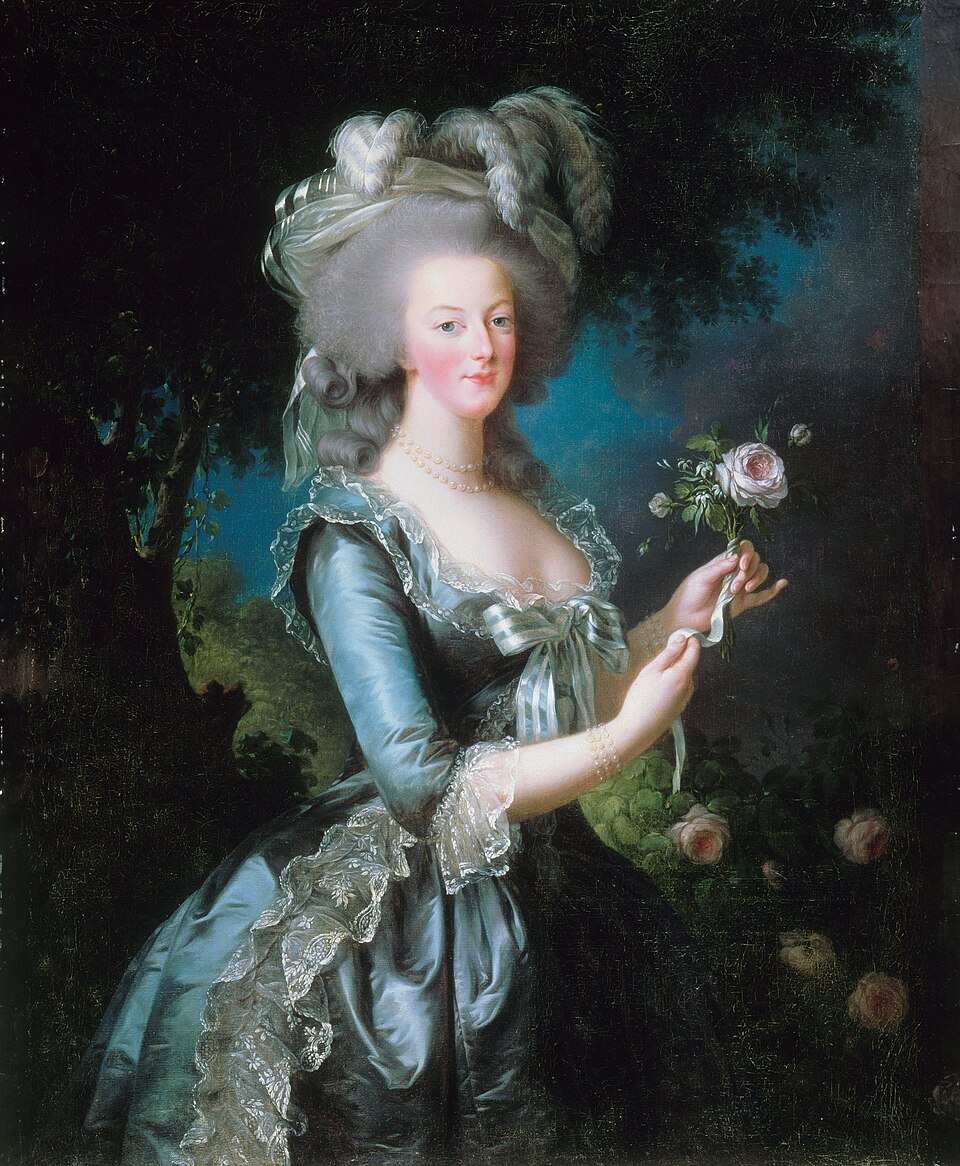
The trial had opened on 14 October 1793 before the Revolutionary Tribunal, two days of accusation against the woman once known as Queen of France. It ran through 16 October, when the verdict came: guilty of high treason. There was no delay built into the sentence. Execution was set for that same day.
Marie Antoinette had already spent months at the Conciergerie, the grim antechamber to the guillotine on the Île de la Cité, moved there after her husband Louis XVI had been executed in January of that same year. She had once been Maria Antonia, born at the Hofburg in Vienna on 2 November 1755, daughter of Empress Maria Theresa, married at fourteen to the Dauphin of France, and queen consort at eighteen when Louis inherited the throne in May 1774. None of that mattered now. In the tribunal's eyes she was simply the accused, and by 16 October, she was condemned.
In her cell, in the last hours before dawn, she wrote what would become known as her final letter, addressed to her sister-in-law, Madame Élisabeth. She had little time and less privacy. Guards were posted. The formalities of a state execution moved forward regardless of the hour.
Her hair, once elaborately dressed in the fashions she had helped define at Versailles, was cut short, as was customary for those going to the guillotine. She was made to wear a plain white dress. Her hands were bound behind her back, a further indignity compared to the more ceremonial death her husband had been afforded.
Unlike Louis XVI, who had ridden to his execution in a closed carriage, Marie Antoinette was placed in an open cart. She was driven through the streets of Paris toward the Place de la Révolution, past crowds who had gathered to watch the woman they called Madame Déficit make her final journey through the city she had once ruled as queen.
More from History

The Morning Bingham Climbed to Machu Picchu
On a cold July morning in 1911, an American historian scrambled up a jungle-choked ridge above the Urubamba River — and by afternoon, a forgotten Inca citadel would belong to the world.

The Last Half-Hour of the Hindenburg
It was already half a day late, and the public had been told to keep away — but at seven o'clock that evening, the Hindenburg finally turned toward its mooring mast for the last time.

The Last Hours of Pompeii: August 24, 79 AD
By noon it was just another hot day beside the Bay of Naples. By evening, an entire mountain had rewritten the fate of thousands.

The Longest Walk: Mandela's Last Steps to Freedom
After 27 years behind bars, a 71-year-old man had to relearn how to walk out of a prison gate — into a waiting world of cameras, crowds, and a country holding its breath.

The Document Lincoln Signed on the First Day of 1863
On a single January morning, a president's pen would change the legal status of more than three million people — if the ink held and his hand did not shake.

The Day of the Dream: August 28, 1963
Two hundred and fifty thousand people converged on the National Mall that morning — by nightfall, one voice from the steps of the Lincoln Memorial would echo for generations.