The Last Night at Ford's Theatre
Five days after Appomattox, the war was won and the president finally allowed himself a night out — a comedy, a box seat, and a guard who would not stay put.
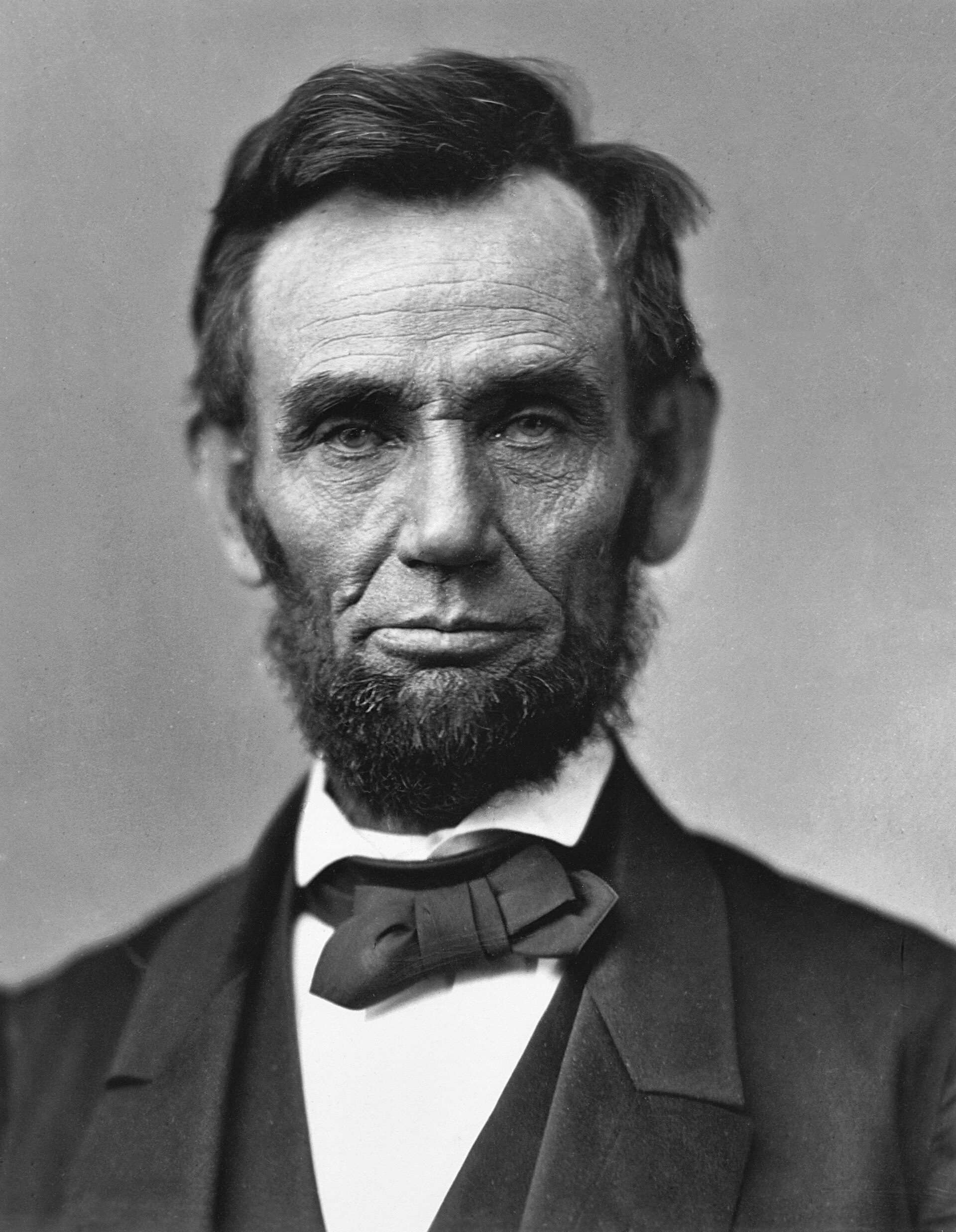
On the morning of April 14, 1865, Abraham Lincoln woke in Washington to a city still giddy with the news from Appomattox. The Confederate surrender was five days old, and for the first time in four years the president could imagine a nation not consumed by war. He spent the day at routine business, meeting with his cabinet and with General Ulysses S. Grant, and in the afternoon he took a carriage ride with his wife Mary, telling her, by her own later account of his mood that day, that he wanted to enjoy what remained of their lives together.
That evening the Lincolns had plans to attend Ford's Theatre in Washington, D.C., where a comedy, 'Our American Cousin,' was playing. General Grant and his wife had originally been expected to join them but left the city instead, so the invitation went to Major Henry Rathbone and his fiancée Clara Harris. The presidential party arrived at the theatre after the performance had already begun, and the actors paused so the audience could applaud the president as he settled into the flag-draped state box above the stage.
Lincoln had spent his life rising from a one-room log cabin in Kentucky to the presidency of the United States, self-taught, self-made, a lawyer and legislator who had led the country through secession and civil war. He had delivered the Gettysburg Address in 1863, issued the Emancipation Proclamation that same year, and pushed the Thirteenth Amendment toward ratification. Re-elected in 1864, he now spoke of healing the Union through Reconstruction. None of that history was visible in the theatre box that night — only a tired president enjoying a play with his wife.
Downtown, John Wilkes Booth, an actor familiar to the Ford's Theatre staff, moved through the building with the ease of someone who belonged there. He knew the layout, knew the play, and knew the exact line in the third act that always drew the biggest laugh from the audience — a laugh loud enough to cover a gunshot.
At about ten fifteen that night, Booth entered the state box and shot Lincoln once at close range. Major Rathbone lunged at him and was slashed with a knife for his effort; Booth then leapt from the box to the stage, breaking his leg in the fall, and shouted before escaping through the back of the theatre into the Washington night.
More from History

The Morning Bingham Climbed to Machu Picchu
On a cold July morning in 1911, an American historian scrambled up a jungle-choked ridge above the Urubamba River — and by afternoon, a forgotten Inca citadel would belong to the world.

The Last Half-Hour of the Hindenburg
It was already half a day late, and the public had been told to keep away — but at seven o'clock that evening, the Hindenburg finally turned toward its mooring mast for the last time.

The Last Hours of Pompeii: August 24, 79 AD
By noon it was just another hot day beside the Bay of Naples. By evening, an entire mountain had rewritten the fate of thousands.

The Longest Walk: Mandela's Last Steps to Freedom
After 27 years behind bars, a 71-year-old man had to relearn how to walk out of a prison gate — into a waiting world of cameras, crowds, and a country holding its breath.

The Document Lincoln Signed on the First Day of 1863
On a single January morning, a president's pen would change the legal status of more than three million people — if the ink held and his hand did not shake.

The Day of the Dream: August 28, 1963
Two hundred and fifty thousand people converged on the National Mall that morning — by nightfall, one voice from the steps of the Lincoln Memorial would echo for generations.