The Last Stand of Napoleon
On 18 June 1815, the fate of Napoleon I hung in the balance. A single day would decide the future of Europe, and the world would remember it as the moment a great empire collapsed.
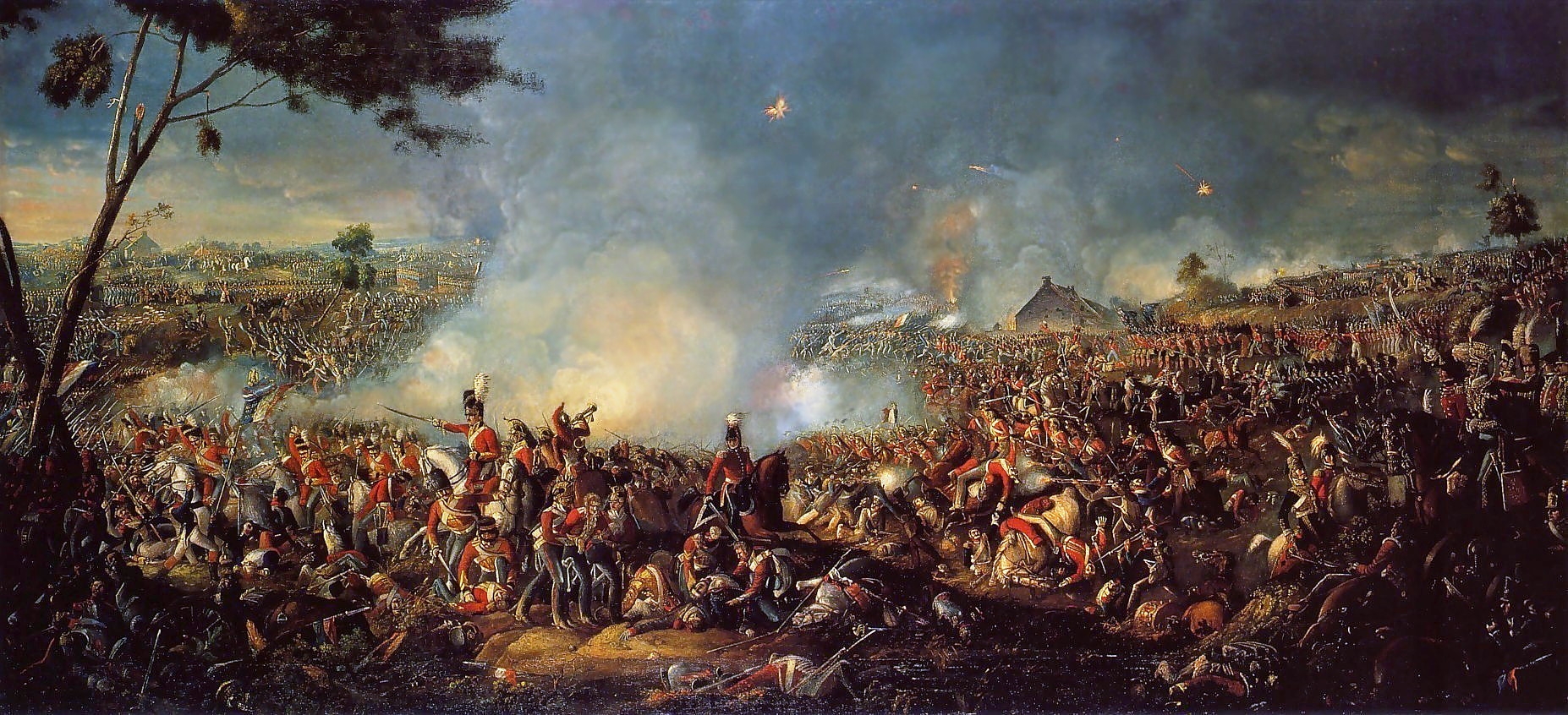
Napoleon's return to power in March 1815 ignited a storm of war. The Seventh Coalition, formed by Britain, Russia, Austria, and Prussia, mobilized to crush his ambitions. The French emperor, confident in his military genius, believed he could outmaneuver the coalition before they fully assembled. His plan was bold: strike at the Prussian army first, then turn his forces against Wellington's Anglo-allied troops, a British-led force drawn from the United Kingdom, the Netherlands, Hanover, Brunswick, and Nassau.
The Battle of Ligny on 16 June was a critical test. Napoleon's main force shattered the Prussian army, but a smaller French detachment was drawn into the Battle of Quatre Bras. Here, Wellington's forces held their ground, preventing the Prussians from being reinforced. The British commander, Arthur Wellesley, Duke of Wellington, had to make a split-second decision that would shape the course of the war.
As the French advanced toward Waterloo, the terrain became a battlefield of strategy and endurance. Wellington, recognizing the threat, moved his troops to the Mont-Saint-Jean escarpment, a natural defensive position. The Anglo-allied forces prepared for a fight, knowing that the outcome would determine the fate of Europe. Napoleon, ever the strategist, hoped to break through their line with his final reserves.
The battle unfolded in a series of brutal assaults. French troops launched repeated attacks on the Anglo-allied lines. Yet these forces held firm, their discipline and coordination proving formidable. The Prussians, arriving in the late afternoon, struck the French flank, turning the tide of the battle. The French, exhausted and outmaneuvered, began to give ground.
Napoleon's last stand came in the evening, as his Imperial Guard, the elite of his army, charged the Anglo-allied line. The attack was fierce, but the Prussians' breakthrough on the French right flank sealed its fate. The Anglo-allied forces, reinforced by the Prussians, repelled the final assault. The French army, once unstoppable, was now routed.
More from History

The Morning Bingham Climbed to Machu Picchu
On a cold July morning in 1911, an American historian scrambled up a jungle-choked ridge above the Urubamba River — and by afternoon, a forgotten Inca citadel would belong to the world.

The Last Half-Hour of the Hindenburg
It was already half a day late, and the public had been told to keep away — but at seven o'clock that evening, the Hindenburg finally turned toward its mooring mast for the last time.

The Last Hours of Pompeii: August 24, 79 AD
By noon it was just another hot day beside the Bay of Naples. By evening, an entire mountain had rewritten the fate of thousands.

The Longest Walk: Mandela's Last Steps to Freedom
After 27 years behind bars, a 71-year-old man had to relearn how to walk out of a prison gate — into a waiting world of cameras, crowds, and a country holding its breath.

The Document Lincoln Signed on the First Day of 1863
On a single January morning, a president's pen would change the legal status of more than three million people — if the ink held and his hand did not shake.

The Day of the Dream: August 28, 1963
Two hundred and fifty thousand people converged on the National Mall that morning — by nightfall, one voice from the steps of the Lincoln Memorial would echo for generations.