The Photographs on the President's Desk
Before dawn on 16 October 1962, a folder landed on Robert Kennedy's desk that would define the next thirteen days — and everything about that Tuesday began with a set of grainy aerial photographs.
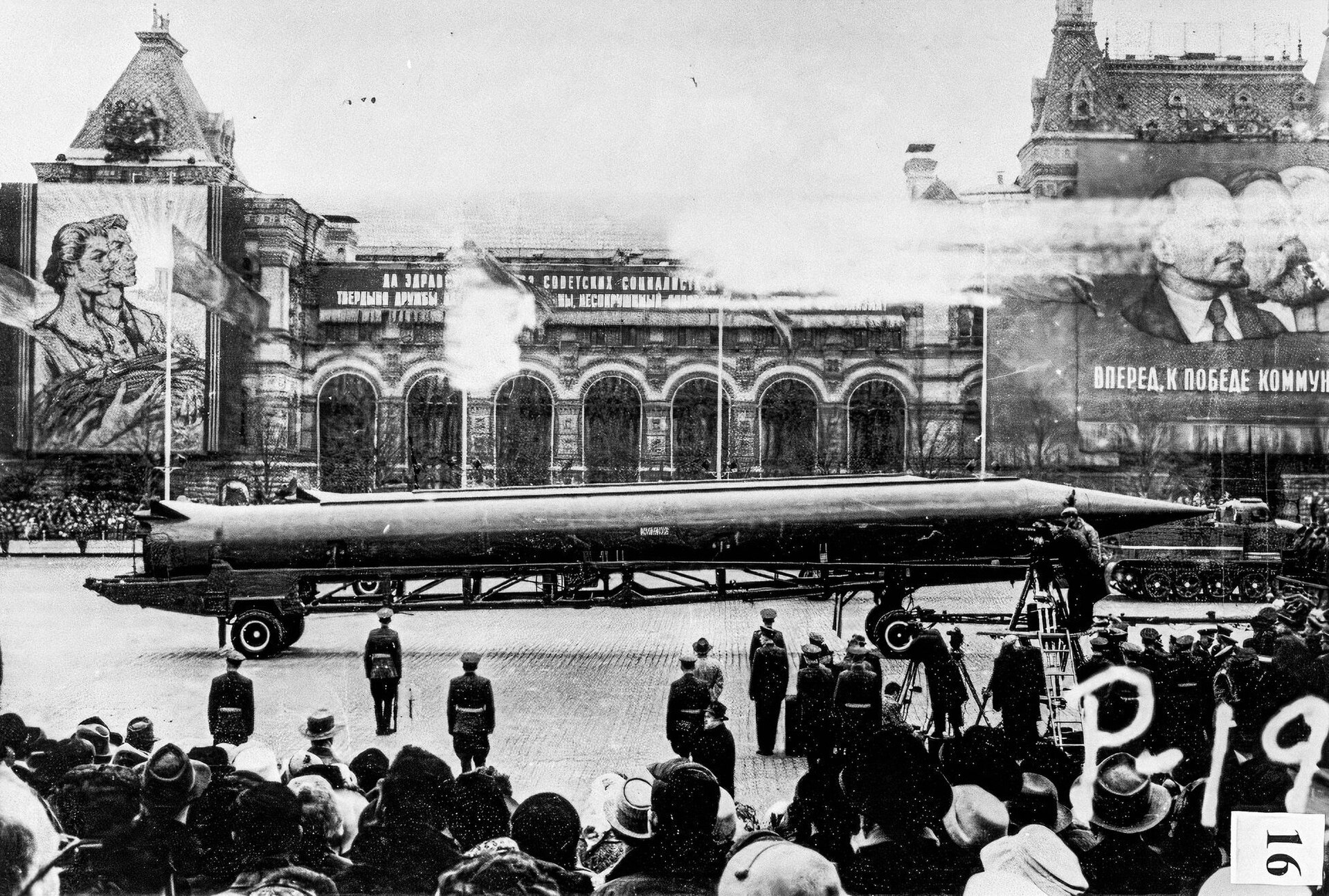
The story of that Tuesday begins two days earlier, on 14 October, when a US U-2 spy plane flying high over western Cuba photographed something analysts had feared for months: construction crews assembling what looked like missile launch sites near San Cristóbal. The film was rushed back, developed, and passed through the chain of photo-interpreters overnight. By the morning of 16 October, the analysis was ready, and it was unambiguous.
Early that day, Secretary of Defense Robert McNamara carried the annotated photographs to President John F. Kennedy. The images showed medium- and long-range missile facilities under construction on Cuban soil. According to the intelligence, the Soviet missiles were being emplaced, but were not yet operational — additional components still needed to arrive before any of them could be armed and fired. That distinction, missiles present but not yet ready, would shape almost every decision made in Washington over the following hours.
Kennedy did not react by ordering troops or issuing a public statement. Instead, within hours of seeing the photographs, he set in motion a chain of closed-door consultations. This was the moment that gave birth to what would become the Executive Committee of the National Security Council — a small circle of advisers Kennedy pulled together specifically to weigh the evidence and the options without tipping off the public or the press.
The timing carried its own pressure. It was October 1962, deep in a heated midterm election season in the United States, and any leak of Soviet missiles ninety miles from Florida could detonate politically as fast as militarily. Kennedy's advisers understood that whatever they decided, they had to decide quietly, and quickly, before the missile sites became operational.
Inside that first day's meetings, the most aggressive option on the table was a military strike on the Cuban sites, potentially followed by an invasion of the island. It was one of the courses Kennedy was advised to consider seriously. But even in these opening hours, the discussion also began drifting toward another path: a naval blockade, a way to physically stop further missiles and parts from reaching Cuba without immediately declaring war.
More from History

The Morning Bingham Climbed to Machu Picchu
On a cold July morning in 1911, an American historian scrambled up a jungle-choked ridge above the Urubamba River — and by afternoon, a forgotten Inca citadel would belong to the world.

The Last Half-Hour of the Hindenburg
It was already half a day late, and the public had been told to keep away — but at seven o'clock that evening, the Hindenburg finally turned toward its mooring mast for the last time.

The Last Hours of Pompeii: August 24, 79 AD
By noon it was just another hot day beside the Bay of Naples. By evening, an entire mountain had rewritten the fate of thousands.

The Longest Walk: Mandela's Last Steps to Freedom
After 27 years behind bars, a 71-year-old man had to relearn how to walk out of a prison gate — into a waiting world of cameras, crowds, and a country holding its breath.

The Document Lincoln Signed on the First Day of 1863
On a single January morning, a president's pen would change the legal status of more than three million people — if the ink held and his hand did not shake.

The Day of the Dream: August 28, 1963
Two hundred and fifty thousand people converged on the National Mall that morning — by nightfall, one voice from the steps of the Lincoln Memorial would echo for generations.