The Ride That Never Happened That Way
Everyone knows Paul Revere galloped alone through the night shouting a warning. The truth is buried inside a poem that its own author admitted was never meant to be true.
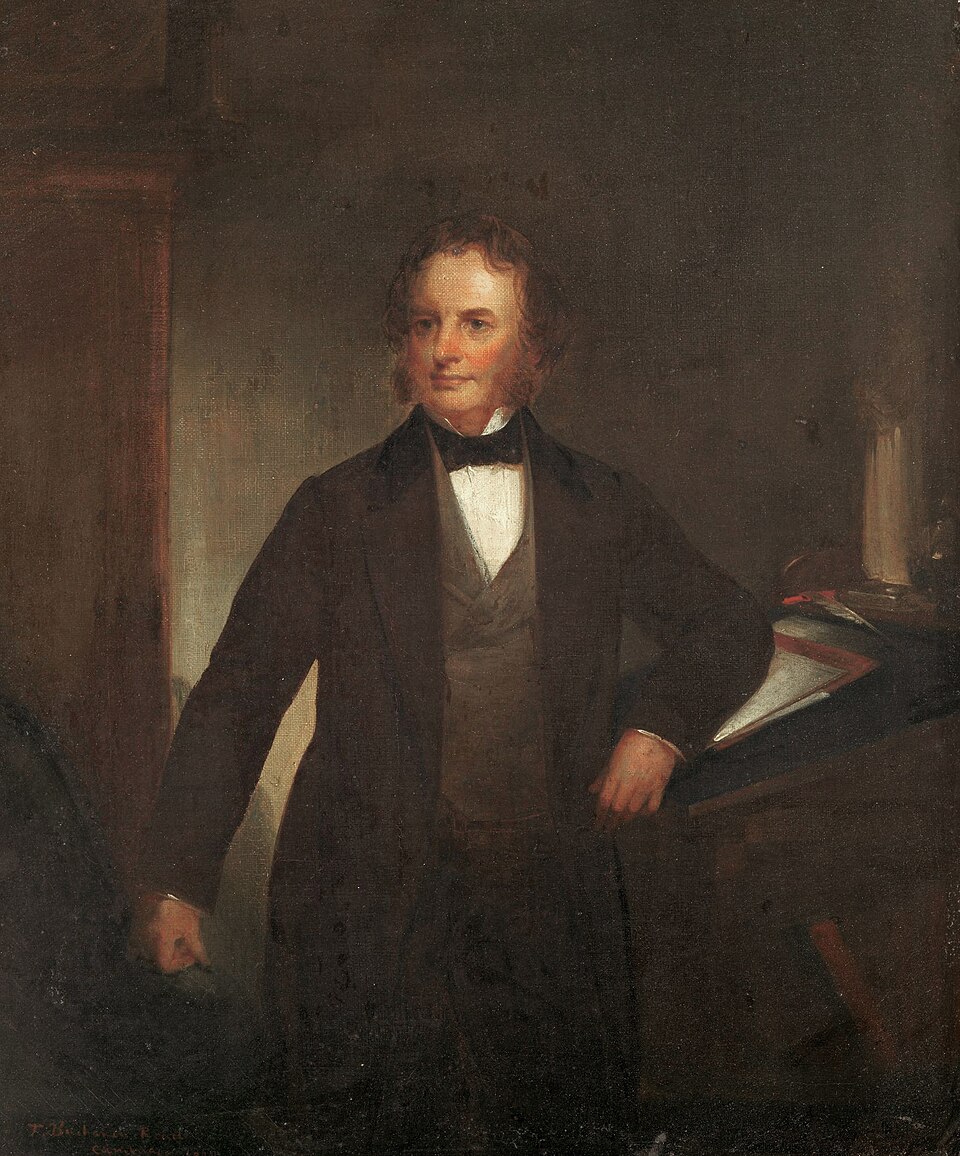
The myth is simple and stirring: a lone rider named Paul Revere thunders through the Massachusetts countryside on the night of April 18, 1775, waiting for a signal from a church tower before racing off to warn the colonists that the British are coming. This is the image most people carry — but it comes not from a historian's account, it comes from a poem, and the poem's own creator never claimed it was accurate.
That poem, 'Paul Revere's Ride,' was written by Henry Wadsworth Longfellow in 1860 and published in The Atlantic Monthly in January 1861, just as South Carolina seceded from the Union. It was later folded into his 1863 collection Tales of a Wayside Inn as 'The Landlord's Tale.' Longfellow himself had researched the actual events, drawing on sources like George Bancroft's History of the United States, and he even knew of Revere's own firsthand account, published decades earlier in New England Magazine beside one of Longfellow's own early poems. Seventeen years after writing 'Paul Revere's Ride,' Longfellow pointed a reader toward that firsthand account as the more accurate version of events — a quiet admission that his famous poem was not history.
So what did Longfellow actually change? The poem has Revere instructing an unnamed friend to hang signal lanterns in the Old North Church — one if by land, two if by sea — then riding alone through Medford, Lexington, and Concord to spread the alarm across Middlesex County. This is a compressed, dramatized, single-hero version of events. Longfellow was not trying to write a textbook; he later called his manipulations deliberate, poetic choices rather than errors of ignorance.
Why did he shape the story this way? Longfellow wrote the poem while the United States stood on the edge of civil war. He had visited the Old North Church on April 5, 1860, climbed its bell tower — now home to 'innumerable pigeons,' as he wrote — and began the poem the very next day. He resumed work on it on April 18, the actual anniversary of the ride. His intent was not neutral commemoration; it was a call to Northern readers, urging courage in a moment of crisis, closing with a warning of a coming 'hour of darkness and peril and need.'
There's also a personal thread here. Longfellow's maternal grandfather, Peleg Wadsworth, had actually served as Revere's commander during the Penobscot Expedition — so this was not a distant historical curiosity to him but a family connection. And the poem's famous line 'Hardly a man is now alive' who remembered the event was, oddly, almost literally true: Jonathan Harrington, the young fifer at Lexington who lived to 96, had died in 1854, just a few years before Longfellow wrote those words — though it isn't known whether Longfellow was aware of this when he wrote it.
More from History

The Morning Bingham Climbed to Machu Picchu
On a cold July morning in 1911, an American historian scrambled up a jungle-choked ridge above the Urubamba River — and by afternoon, a forgotten Inca citadel would belong to the world.

The Last Half-Hour of the Hindenburg
It was already half a day late, and the public had been told to keep away — but at seven o'clock that evening, the Hindenburg finally turned toward its mooring mast for the last time.

The Last Hours of Pompeii: August 24, 79 AD
By noon it was just another hot day beside the Bay of Naples. By evening, an entire mountain had rewritten the fate of thousands.

The Longest Walk: Mandela's Last Steps to Freedom
After 27 years behind bars, a 71-year-old man had to relearn how to walk out of a prison gate — into a waiting world of cameras, crowds, and a country holding its breath.

The Document Lincoln Signed on the First Day of 1863
On a single January morning, a president's pen would change the legal status of more than three million people — if the ink held and his hand did not shake.

The Day of the Dream: August 28, 1963
Two hundred and fifty thousand people converged on the National Mall that morning — by nightfall, one voice from the steps of the Lincoln Memorial would echo for generations.