The Rise of a Dictator
In 1919, a former soldier with no political experience joined a small political party in Munich. Within a few years, he would become the most powerful man in Germany—and the architect of a terrible war.
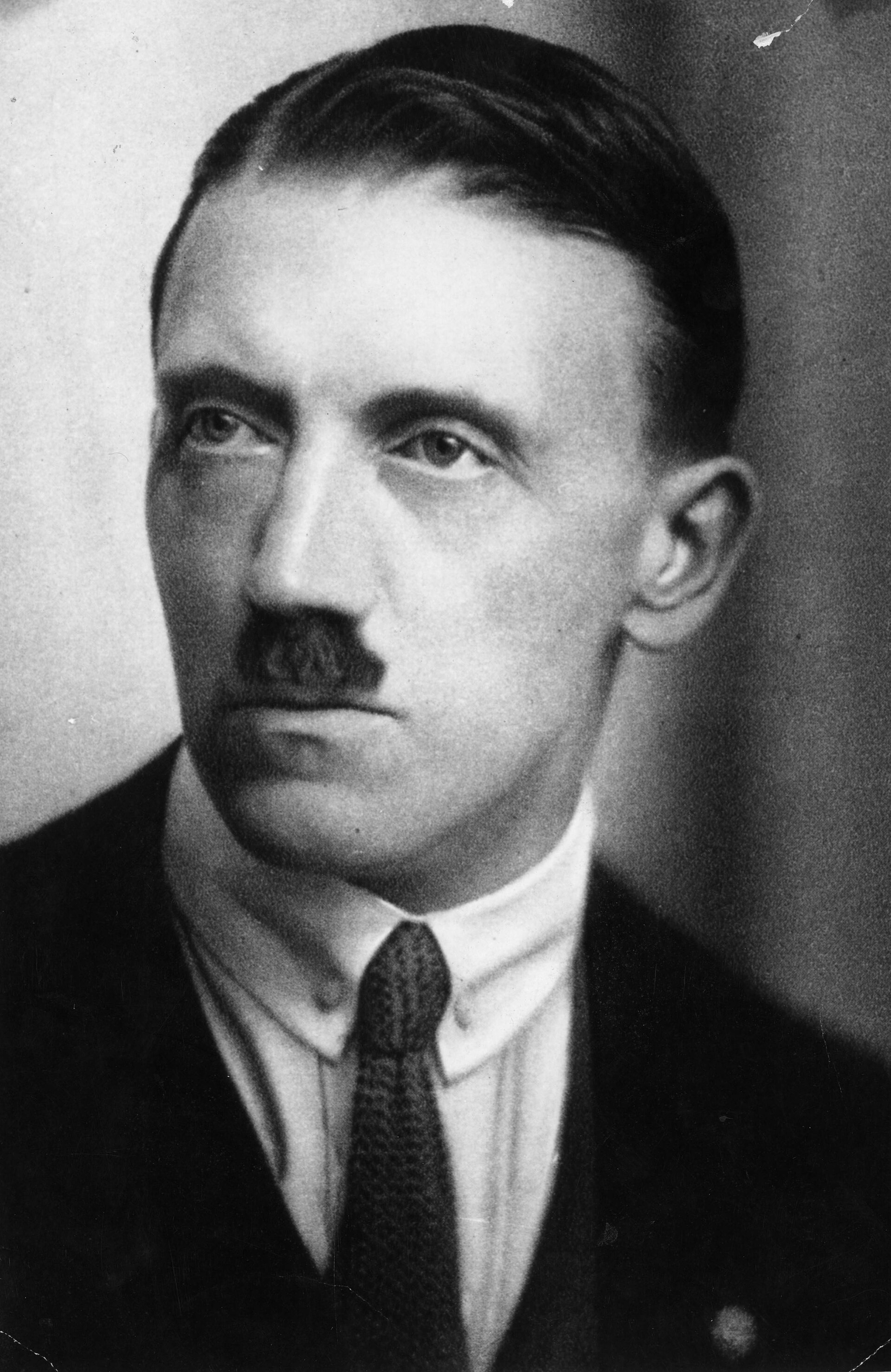
Adolf Hitler's journey began in the chaos of post-war Germany. After the First World War ended in November 1918, he was discharged from the Pasewalk hospital and returned to Munich, a city in turmoil. He found himself in a world that had changed dramatically. The Weimar Republic, a fragile democracy, struggled to hold power, and Hitler, a former soldier, was disillusioned with the new order. In September 1919 he joined the fledgling German Workers' Party, drawn by its nationalist rhetoric and anti-Semitic views. His fiery speeches quickly set him apart from the other members, setting the stage for a political transformation.
Hitler's early years in the party were marked by both ambition and controversy. He disliked the party's name and proposed calling it the 'Social Revolutionary Party,' but the idea did not take hold; instead, the party was renamed the National Socialist German Workers' Party, or Nazi Party. Hitler became its leader in 1921, a position he secured after threatening to leave the party. The Nazis were a right-wing party with early anti-bourgeois elements, which Hitler later purged to align the party more closely with the interests of German businesses. This shift would prove crucial in his rise to power.
In 1923, Hitler attempted a coup in Bavaria, the Beer Hall Putsch, hoping to seize power through force. The plan failed, and he was arrested and put on trial. The trial, however, became a platform for his ideas and brought him national fame. Sentenced to five years, he served only nine months, during which he wrote Mein Kampf, a manifesto that became the foundation of Nazi ideology. In it, he blamed Germany's problems on Jewish influence and argued that the country needed an uncompromising strongman to restore itself. His ideas resonated with many Germans disillusioned by the Weimar Republic.
The 1920s were a time of political and economic instability. The German economy, still reeling from the aftermath of the war, saw a recovery due to American loans under the Dawes Plan. However, the Great Depression of 1929 shattered this recovery, plunging the country into crisis. The economic downturn fueled political extremism, and the Communist Party, which had gained strength, called for revolution. In response, some business leaders, fearing a communist takeover, began supporting the Nazis. Hitler's anti-communist stance and promises of national revival made him increasingly popular among the working class and industrialists alike.
By 1932, Hitler had become a national figure. He ran for the presidency and, though defeated by the incumbent Paul von Hindenburg, achieved a strong second place in both rounds. In July 1932, the Nazis became the largest party in the Reichstag, but no single party had an absolute majority. The political landscape was fragmented, and Hitler's path to power ran through backroom negotiations involving industrialists, former Chancellor Franz von Papen, and Hindenburg's son Oskar. After months of maneuvering, Hindenburg reluctantly appointed Hitler as chancellor on 30 January 1933. This marked the beginning of his consolidation of power.
More from History

The Morning Bingham Climbed to Machu Picchu
On a cold July morning in 1911, an American historian scrambled up a jungle-choked ridge above the Urubamba River — and by afternoon, a forgotten Inca citadel would belong to the world.

The Last Half-Hour of the Hindenburg
It was already half a day late, and the public had been told to keep away — but at seven o'clock that evening, the Hindenburg finally turned toward its mooring mast for the last time.

The Last Hours of Pompeii: August 24, 79 AD
By noon it was just another hot day beside the Bay of Naples. By evening, an entire mountain had rewritten the fate of thousands.

The Longest Walk: Mandela's Last Steps to Freedom
After 27 years behind bars, a 71-year-old man had to relearn how to walk out of a prison gate — into a waiting world of cameras, crowds, and a country holding its breath.

The Document Lincoln Signed on the First Day of 1863
On a single January morning, a president's pen would change the legal status of more than three million people — if the ink held and his hand did not shake.

The Day of the Dream: August 28, 1963
Two hundred and fifty thousand people converged on the National Mall that morning — by nightfall, one voice from the steps of the Lincoln Memorial would echo for generations.