The Shadow of the Great Depression
In the heart of 1929, as the world celebrated the Roaring Twenties, a financial earthquake struck Wall Street, setting off a global economic cataclysm that would reshape nations and lives for a decade.
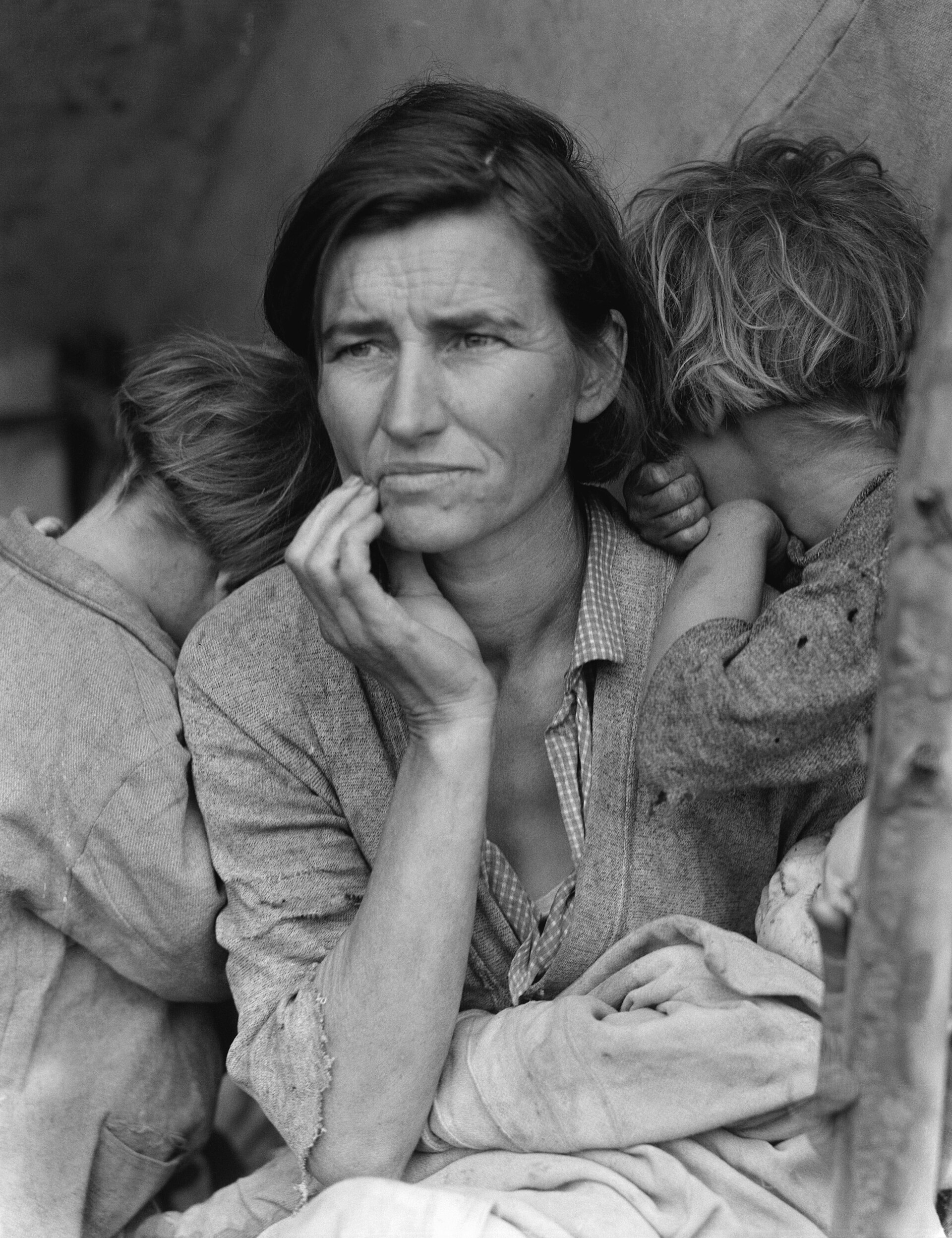
The Great Depression began with a crash on Wall Street. After stock prices slumped through September, a wave of selling turned to panic on 24 October 1929 — Black Thursday — when the American stock market crashed 11% at the opening bell. Attempts to stabilize the market failed: on Black Monday it fell another 12%, and the panic peaked the next day, Black Tuesday, with a further 11% drop. The Dow Jones Industrial Average tumbled from 381 to 198 over two months, marking the start of a worldwide economic downturn that would engulf the world from 1929 to 1939. The United States, the largest economy in the world, was the first to feel the impact. The crash was a symptom of deeper issues, including over-speculation and weak financial regulation, which had been building for years.
The Roaring Twenties had brought prosperity, but it also masked growing inequalities. Much of the profit generated by the boom was invested in speculation, above all in the stock market, contributing to a widening gap in wealth. Banks were subject to minimal regulation, resulting in loose lending and widespread debt. When the crash hit, it exposed the fragility of this system, and the ripple effects spread quickly, bringing bank and business failures around the world. The crash was the starting point, but the Depression was a complex mix of factors that unfolded over years.
As the Depression took hold, the economic impact was felt everywhere. Unemployment soared, with the U.S. reaching a 25% unemployment rate by 1933 — a year by which about one-third of American farmers had lost their land and 9,000 of the country's 25,000 banks had gone out of business. In Germany, where the economy was heavily dependent on American loans, the crisis drove unemployment to nearly 30%, fueling political extremism. The downturn was not just a financial crisis; it was a social and political one, with people losing their homes, jobs, and hope.
Governments and leaders were slow to respond, and their actions often worsened the crisis. President Herbert Hoover, in office when the Depression began, was unwilling to intervene heavily in the economy. In 1930 he signed the Smoot–Hawley Tariff Act, which inadvertently deepened the Depression as other countries answered with retaliatory tariffs. Protectionism led to a collapse in global trade: by 1933, world trade had fallen to one-third of its level four years earlier.
The New Deal, introduced by Franklin D. Roosevelt after he defeated Hoover in the 1932 presidential election, marked a turning point. From 1933, Roosevelt pursued a set of expansive programs designed to provide relief and create jobs. These initiatives helped restore some sense of hope and signaled a shift from reluctance to intervene toward active government involvement, setting a precedent for future economic policy.
More from History

The Morning Bingham Climbed to Machu Picchu
On a cold July morning in 1911, an American historian scrambled up a jungle-choked ridge above the Urubamba River — and by afternoon, a forgotten Inca citadel would belong to the world.

The Last Half-Hour of the Hindenburg
It was already half a day late, and the public had been told to keep away — but at seven o'clock that evening, the Hindenburg finally turned toward its mooring mast for the last time.

The Last Hours of Pompeii: August 24, 79 AD
By noon it was just another hot day beside the Bay of Naples. By evening, an entire mountain had rewritten the fate of thousands.

The Longest Walk: Mandela's Last Steps to Freedom
After 27 years behind bars, a 71-year-old man had to relearn how to walk out of a prison gate — into a waiting world of cameras, crowds, and a country holding its breath.

The Document Lincoln Signed on the First Day of 1863
On a single January morning, a president's pen would change the legal status of more than three million people — if the ink held and his hand did not shake.

The Day of the Dream: August 28, 1963
Two hundred and fifty thousand people converged on the National Mall that morning — by nightfall, one voice from the steps of the Lincoln Memorial would echo for generations.