The Triangle That Wasn't: Debunking Bermuda's Deadly Myth
For seventy years, the world has believed a patch of ocean swallows ships and planes without a trace. The truth turns out to be far less supernatural — and far more human.
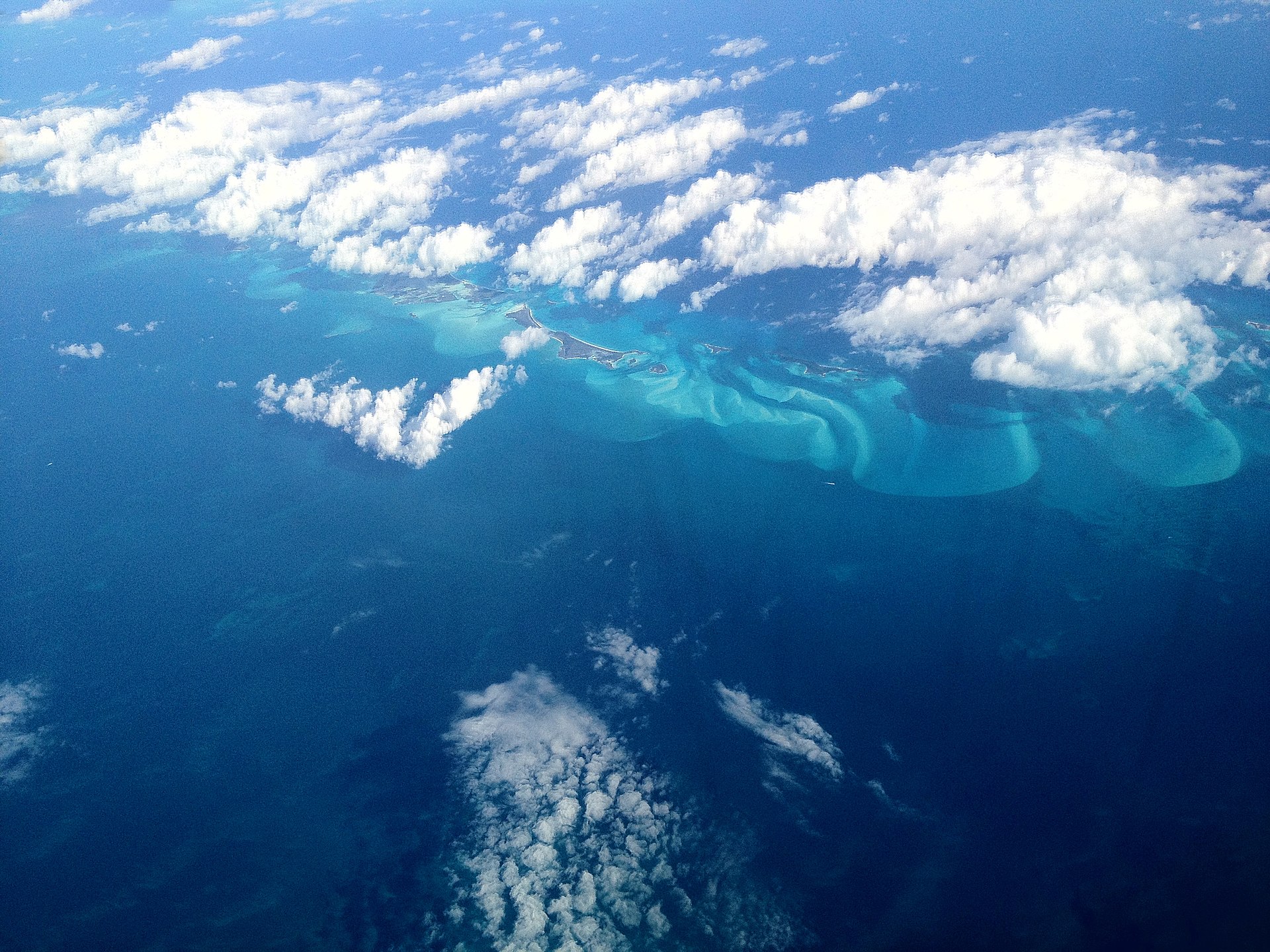
The myth is simple and seductive: somewhere between Florida, Bermuda, and Puerto Rico, an invisible force — magnetic, extraterrestrial, or otherwise unexplainable — has been dragging vessels and aircraft into oblivion for decades. This is the story most people know as the Bermuda Triangle, sometimes called the Devil's Triangle. It is also, according to extensive investigation by the U.S. federal government and scientific organizations, a myth with no evidence behind it.
The legend did not emerge from ancient lore. It was assembled piece by piece in the mid-20th century. The first suggestion of unusual disappearances appeared in a 1950 Associated Press article by Edward Van Winkle Jones. Two years later, Fate magazine ran George X. Sand's 'Sea Mystery at Our Back Door,' the first piece to actually draw the now-familiar triangle and connect a string of losses: the tramp steamer Sandra, the 1945 disappearance of Navy bomber squadron Flight 19, a 1948 fishing skiff carrying jockey Albert Snider, a 1948 DC-3 charter flight, and the 1949 loss of the airplane Star Ariel.
The legend gained dramatic color rather than evidence. In 1962, The American Legion Magazine quoted Flight 19's leader supposedly saying 'we cannot be sure of any direction... the ocean doesn't look as it should' — a flourish that fed the mystery. In 1964, Vincent Gaddis wrote 'The Deadly Bermuda Triangle' in Argosy, claiming a pattern stretching back to 1840, then expanded it into a book. Writers like Charles Berlitz and Richard Winer piled on supernatural explanations through the 1970s, and the boundaries of the 'triangle' kept shifting — some versions stretched the area as far as Ireland, ballooning from 1.3 to 3.9 million square kilometers depending on which author was telling the story.
The real unraveling came from Larry Kusche, whose 1975 book The Bermuda Triangle Mystery: Solved dismantled the legend case by case. He found that Berlitz's account of yachtsman Donald Crowhurst's disappearance ignored clear evidence of what actually happened. He discovered an ore-carrier reported lost off an Atlantic port had actually vanished off a port with the same name in the Pacific. Many 'disappeared' ships had simply returned to port later — a detail conveniently omitted from later retellings.
Kusche's conclusion was blunt: the number of ships and aircraft lost in the region was not proportionally greater than in any other stretch of ocean. Given that the area is prone to tropical cyclones, the disappearances that did occur were mostly unsurprising — yet writers routinely left out the storms, sometimes even describing calm conditions when weather records showed otherwise. One plane long counted among the 'mysterious' losses had actually crashed off Daytona Beach in 1937 in front of hundreds of witnesses.
More from History

The Morning Bingham Climbed to Machu Picchu
On a cold July morning in 1911, an American historian scrambled up a jungle-choked ridge above the Urubamba River — and by afternoon, a forgotten Inca citadel would belong to the world.

The Last Half-Hour of the Hindenburg
It was already half a day late, and the public had been told to keep away — but at seven o'clock that evening, the Hindenburg finally turned toward its mooring mast for the last time.

The Last Hours of Pompeii: August 24, 79 AD
By noon it was just another hot day beside the Bay of Naples. By evening, an entire mountain had rewritten the fate of thousands.

The Longest Walk: Mandela's Last Steps to Freedom
After 27 years behind bars, a 71-year-old man had to relearn how to walk out of a prison gate — into a waiting world of cameras, crowds, and a country holding its breath.

The Document Lincoln Signed on the First Day of 1863
On a single January morning, a president's pen would change the legal status of more than three million people — if the ink held and his hand did not shake.

The Day of the Dream: August 28, 1963
Two hundred and fifty thousand people converged on the National Mall that morning — by nightfall, one voice from the steps of the Lincoln Memorial would echo for generations.