The Word Rome Never Used the Way You Think
Millions of tourists whisper the word with a smirk, imagining togate gluttons purging between courses. The truth is far less scandalous — and far more clever.
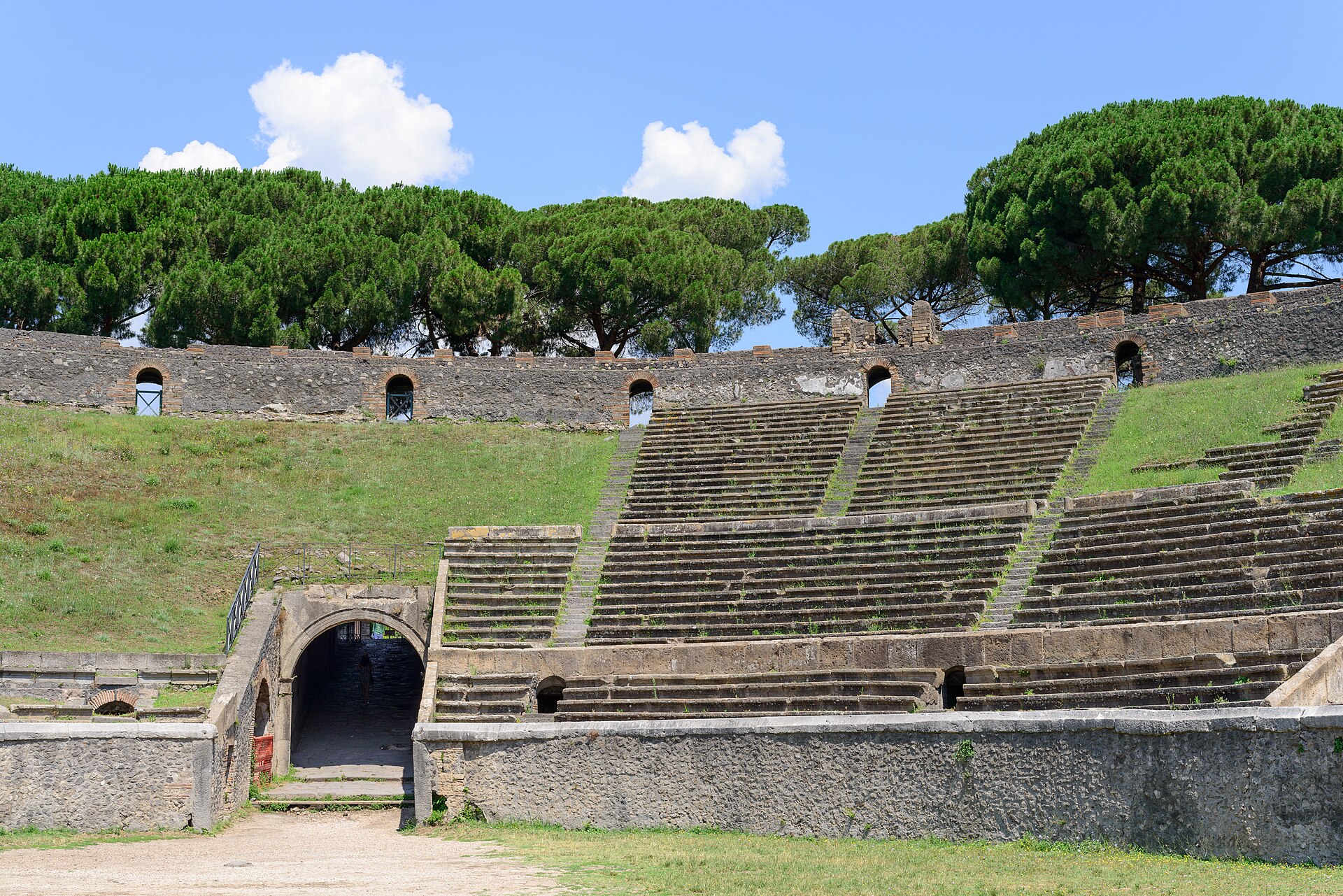
Picture the roar of eighty thousand spectators pouring out of the Colosseum after a day of games, all trying to reach the streets of Rome at once. It sounds like chaos. It wasn't — because Roman engineers had already solved the problem centuries before anyone coined the term 'crowd control.' Their solution was the vomitorium.
The word comes from the Latin verb vomere, meaning 'to spew forth.' But nothing about it involved digestion. A vomitorium was simply a passage — a tunnel or corridor — built below or behind the tiers of seating in an amphitheatre or stadium. Through these passages, enormous crowds could exit rapidly once an event ended, spilling out of the stands the way water spews from a channel. The name described the flow of people, not the flow of food.
These passages served a second purpose too. Actors used them as entrances and exits onto the stage, appearing and disappearing through the same corridors that, moments later, might funnel thousands of spectators toward the exits. In this sense, the vomitorium was as much a piece of stagecraft as it was an engineering feat of urban logistics.
The misconception that Romans set aside special rooms for vomiting — so they could eat more at lavish banquets — has nothing to do with the actual architecture. It is one of history's most durable urban legends, repeated in classrooms and travel guides alike, even though no ancient source describes such rooms and no vomitorium was ever built for that purpose.
What makes the real story interesting is how thoroughly the concept survived antiquity and returned to life in modern theatre design. Architects rediscovered the practical genius of the vomitorium: a passage that lets performers materialize close to the audience and lets crowds disperse quickly and safely.
More from History

The Morning Bingham Climbed to Machu Picchu
On a cold July morning in 1911, an American historian scrambled up a jungle-choked ridge above the Urubamba River — and by afternoon, a forgotten Inca citadel would belong to the world.

The Last Half-Hour of the Hindenburg
It was already half a day late, and the public had been told to keep away — but at seven o'clock that evening, the Hindenburg finally turned toward its mooring mast for the last time.

The Last Hours of Pompeii: August 24, 79 AD
By noon it was just another hot day beside the Bay of Naples. By evening, an entire mountain had rewritten the fate of thousands.

The Longest Walk: Mandela's Last Steps to Freedom
After 27 years behind bars, a 71-year-old man had to relearn how to walk out of a prison gate — into a waiting world of cameras, crowds, and a country holding its breath.

The Document Lincoln Signed on the First Day of 1863
On a single January morning, a president's pen would change the legal status of more than three million people — if the ink held and his hand did not shake.

The Day of the Dream: August 28, 1963
Two hundred and fifty thousand people converged on the National Mall that morning — by nightfall, one voice from the steps of the Lincoln Memorial would echo for generations.